Silt Fence is a Practical Solution for Site Protection
Soil erosion is a major environmental concern that can lead to loss of topsoil, sedimentation of water bodies, and damage to ecosystems. Whether it's in construction, agriculture, or landscaping, managing soil erosion effectively is crucial to preserving the integrity of the land and surrounding environments. One of the most effective methods to control erosion is through the use of Silt fence manufacturers in Ahmedabad.
A silt fence is a temporary barrier used to prevent sediment runoff during construction, land development, or any project that disturbs the soil. It helps trap silt and other debris from stormwater runoff, keeping it from contaminating nearby water bodies. This article delves into the importance, features, and applications of silt fences, while also highlighting key silt fence manufacturers in Ahmedabad, silt fencing manufacturers in India, and silt fencing suppliers in Ahmedabad who play a significant role in producing these effective erosion control solutions.
What is a Silt Fence?
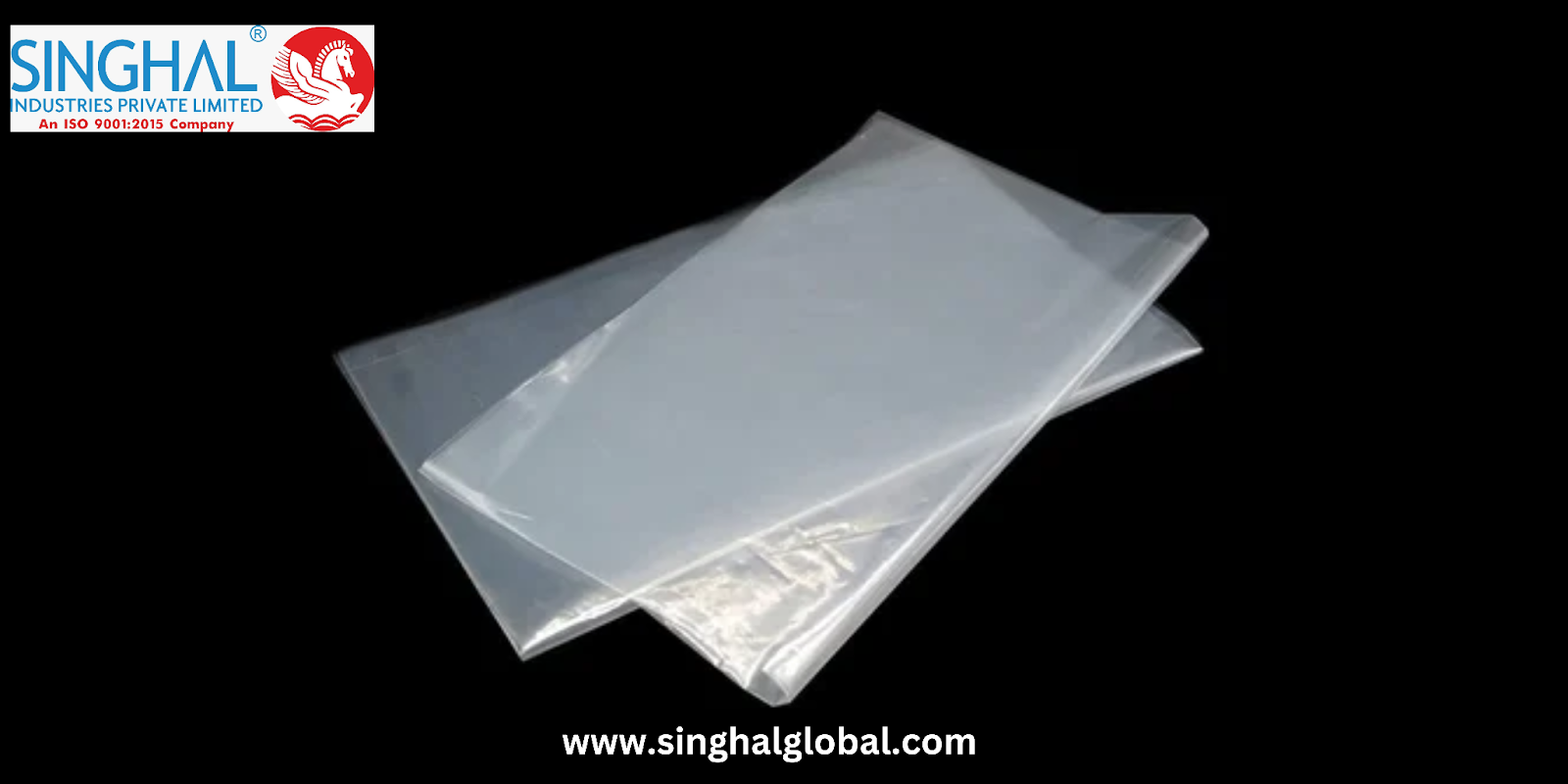
A silt fence is a geotextile fabric barrier designed to filter out sediment from water runoff. Typically used during construction or land-disturbing activities, it serves as an erosion control method that prevents soil particles from being washed away by rain or wind. Silt fences are placed around construction sites, along roads, or near bodies of water to protect the environment from sedimentation.
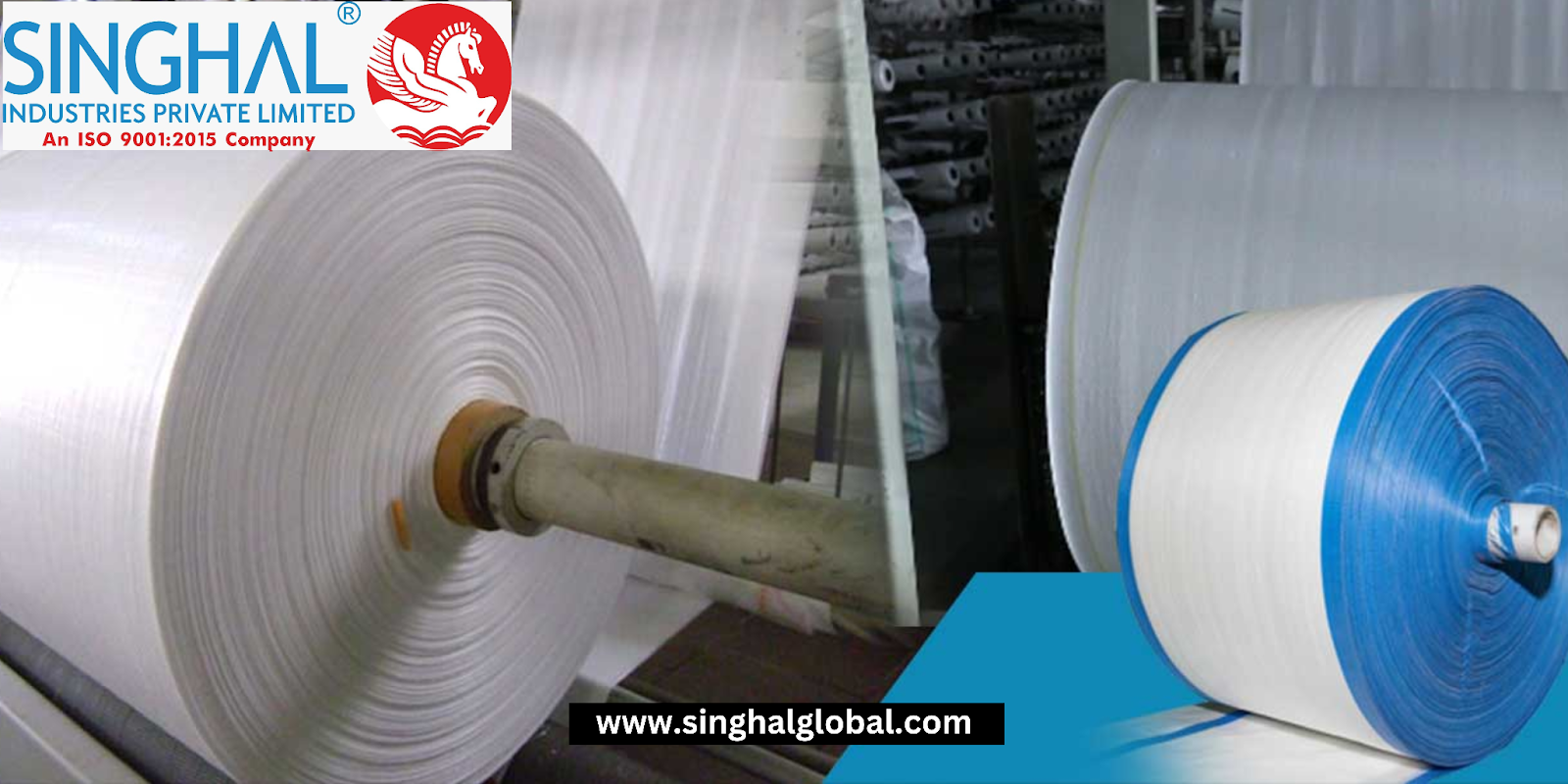
Silt fences consist of a permeable fabric that is supported by wooden or metal posts. The fabric is designed to slow down water flow, allowing sediment to settle while letting water pass through. This helps prevent the sediment from entering nearby water sources, thereby protecting water quality and preventing soil erosion.
How Silt Fences Work
The function of a silt fence is relatively simple but highly effective. As rainwater or stormwater runoff flows across the disturbed land, the silt fence acts as a barrier, slowing down the water's velocity. This reduction in water speed allows suspended sediment particles to settle behind the fence, while clean water continues to flow through the fabric.
The silt fence acts as a physical barrier that captures the sediment without blocking the flow of water completely. This method of filtration is particularly useful in areas where sediment-laden water can harm nearby water bodies, such as rivers, lakes, or wetlands. Silt fences also help prevent sediment from clogging drainage systems and stormwater infrastructure.
Features of a High-Quality Silt Fence
Durability
A good silt fence is made from durable, high-quality geotextile fabric that can withstand harsh weather conditions. It should be resistant to UV rays, tearing, and other forms of degradation to ensure long-lasting protection throughout the construction or land-disturbing activities.
Effective Filtration
The primary function of a silt fence is to trap silt and other debris while allowing water to pass through. A high-quality fence is made of fine woven fabric that provides effective filtration without clogging easily. This ensures that sediment is trapped while minimizing water flow disruption.
Easy Installation
Silt fences are designed to be installed quickly and easily. The fabric is typically attached to posts and staked into the ground to create a continuous barrier. The installation process is straightforward, and the fence can be adjusted to fit the specific dimensions of the site.
Flexibility
Silt fences come in various sizes and configurations to accommodate different site conditions. The fabric can be custom-cut to meet the needs of specific projects, whether it’s a small residential site or a large construction project. Additionally, silt fencing manufacturers in India often provide options that are easy to transport and deploy across various terrains.
Cost-Effective
Compared to other erosion control methods, Silt fencing manufacturers in India are an affordable option. They provide an excellent balance of cost and performance, making them a popular choice for construction sites and other land-disturbing projects. Their low installation and maintenance costs make them ideal for temporary applications.

Applications of Silt Fences
Silt fences are commonly used in a variety of industries where soil erosion and sedimentation are concerns. Below are some of the key applications of silt fences:
Construction Sites
Construction projects often disturb large areas of soil, which can lead to erosion and sediment runoff. Installing silt fences around the perimeter of the site helps prevent sediment from washing into nearby water sources or streets. This is particularly important in urban areas where construction sites are often close to water bodies or stormwater systems.
Land Development
When new developments are being created, such as subdivisions or commercial properties, silt fences are used to protect the surrounding environment from the effects of soil erosion. These barriers help maintain water quality and prevent damage to local ecosystems during the grading and excavation processes.
Agriculture
Agricultural activities, such as plowing, tilling, or planting, can lead to soil erosion, especially when heavy rains follow land disturbance. By using silt fences, farmers can minimize the impact of erosion on their fields, preventing valuable topsoil from being lost. These barriers are often placed near fields, along roads, or around irrigation systems to protect against sediment runoff.
Road Construction
Roads and highways often require the disturbance of large areas of land, which can cause soil erosion. Silt fences are used to control runoff and sedimentation during road construction projects. They help ensure that sediment does not clog drainage systems or flow into nearby water bodies, reducing the risk of flooding and environmental degradation.
Mining and Excavation
In mining operations or large-scale excavation projects, the soil can be highly disturbed, creating conditions conducive to erosion. Silt fences are deployed to contain the sediment, preventing it from spreading into nearby water sources or stormwater systems. They are essential in preserving the quality of the environment in these types of projects.
Erosion Control for Landscaping
Landscaping projects that involve soil disturbance, such as grading or leveling, often require silt fences to prevent sediment runoff. These barriers are used to protect newly planted areas, prevent soil erosion on slopes, and maintain the integrity of the landscape during construction or renovation projects.
Choosing the Right Silt Fence Manufacturer and Supplier
If you are looking for silt fencing suppliers in Ahmedabad or elsewhere in India, it’s essential to work with reliable manufacturers that provide high-quality products. Silt fence manufacturers in Ahmedabad produce top-notch geotextile fabric that adheres to national and international standards, ensuring that the fence performs effectively in all types of soil and weather conditions.
Silt fencing manufacturers in India often provide custom solutions tailored to meet the needs of specific projects, offering different fabric strengths, lengths, and heights to suit diverse applications. The quality of the materials used in the production of these fences ensures that the barriers will provide long-lasting protection for construction, land development, and erosion control.
Additionally, many Silt fencing suppliers in Ahmedabad provide excellent customer service, helping you choose the best solution for your specific needs and offering advice on proper installation and maintenance.
Conclusion
Silt fences are a vital component of erosion control strategies, especially in construction, land development, and agricultural applications. Their simplicity, affordability, and effectiveness make them an essential tool in managing soil erosion and protecting water quality. By partnering with trusted silt fence manufacturers in Ahmedabad, silt fencing manufacturers in India, and silt fencing suppliers in Ahmedabad, industries and individuals can ensure they are using high-quality materials that meet the standards required for effective sediment control. Whether for short-term construction projects or temporary erosion management, silt fences continue to play a crucial role in preserving the environment and minimizing the impacts of soil erosion.
Frequently Asked Questions (FAQs)
1. How long do silt fences last?
The lifespan of a silt fence depends on several factors, such as the material quality, installation conditions, and exposure to the elements. On average, a well-installed silt fence can last between 6 months to 1 year. However, if it is exposed to extreme weather conditions, it may need replacement sooner.
2. How do I install a silt fence?
Installing a silt fence involves securing the fabric to posts (typically wooden or metal), and then staking the posts into the ground at regular intervals. The bottom of the fabric is buried in the ground to prevent sediment from flowing under the fence. Proper installation ensures that the fence performs its job effectively by trapping sediment and allowing water to pass through.
3. Can silt fences be used for permanent erosion control?
No, silt fences are primarily designed for temporary use during construction or land-disturbing activities. For long-term erosion control, other solutions such as retaining walls, vegetative buffers, or riprap may be more suitable. Silt fences are ideal for short-term erosion management but should be replaced or supplemented with permanent measures when the disturbance is over.

Comments
Post a Comment